







Search Results for: Finca El Esperanza
Colombia Cauca Valley Finca La Esperanza Geisha Drip Bag Coffee: A Complete Guide to Brewing Techniques and Flavor Characteristics
Front Street recently got its hands on a naturally processed Geisha coffee bean from Colombia's Hope Estate. When brewed, it presents aromas of blueberry and smoked plum, with flavors of blackcurrant juice, orange, and berries on the palate. It has a full, juicy body and a long, red-wine-like finish. This Geisha comes from Cafe Granja La Esperanza, an estate with a 76-year history that has won more than 60 awards in global competitions and owns five sub-estates. This article will take you through the planting legend of Hope Estate and, using Front Street Hope Estate Geisha drip bag coffee as an example, explain in detail the brewing steps and water temperature recommendations for drip bag coffee, helping you easily enjoy a cup of high-quality black coffee even when you're busy. [more…]
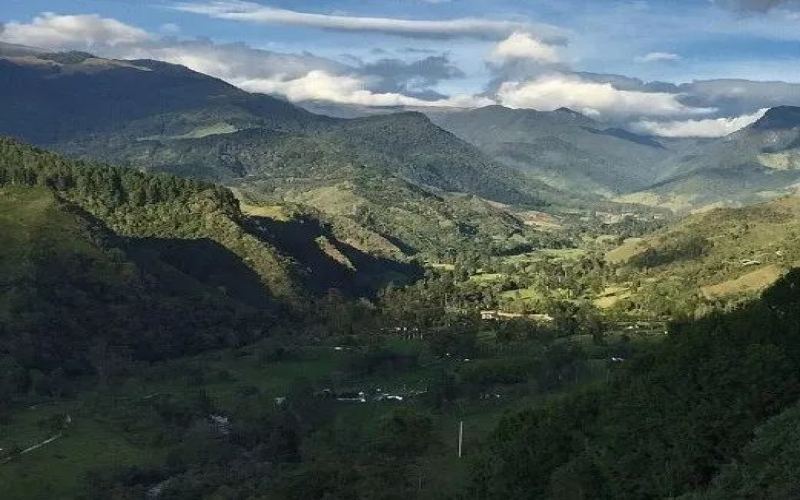
Distribution and Flavor Characteristics of Colombian Coffee Regions: An Analysis of Andean Micro-Lots and the Case of Zacatin
South America contributes over half of the world's coffee production, with Brazil and Colombia ranking as the world's first and third largest producers respectively. Unlike Brazil's large-scale plantation model, Colombia, due to its complex mountainous terrain and diverse microclimates, is dominated by small coffee estates. The best-selling Sidra, Rose Valley, and Flower Moon on Front Street Coffee's bean list come from locally renowned estates. Colombian coffee is mainly distributed in the central and western Andes mountain range, with 15 production regions divided by province nationwide. Cauca, Santander, Antioquia, Narino, Tolima, and Huila are the main forces. Huila's Finca La Divisa, Tolima's Finca La Roca, and Cauca's Finca La Esperanza are widely known, while Antioquia, though famous for its high yield, also has family businesses like Finca Zacatin that produce high-quality coffee. [more…]
Cup Tasting Flavor Profile and Origin Characteristics of El Salvador Finca Neblina Champion Lot Pacamara and Bourbon Coffee Beans
This article provides an in-depth introduction to the legendary Salvadoran coffee producer Ernesto Menéndez and his award-winning lots from Finca Las Brumas. This lot includes two varieties, Pacamara and Bourbon, sourced from microclimatic blocks above 1,700 meters, with a clean and sweet flavor profile featuring notes of cherry, berries, creamy chocolate, and spice sweetness. The article details the estate's history, the arduous journey of twice winning the Cup of Excellence, the characteristics of the Pacamara variety, and includes a cupping report and roasting degree recommendations. It also introduces an overview of El Salvador's coffee-producing regions and information recommended by Front Street Coffee, making it suitable for coffee enthusiasts to gain a comprehensive understanding of the unique charm of Central American specialty coffee. [more…]
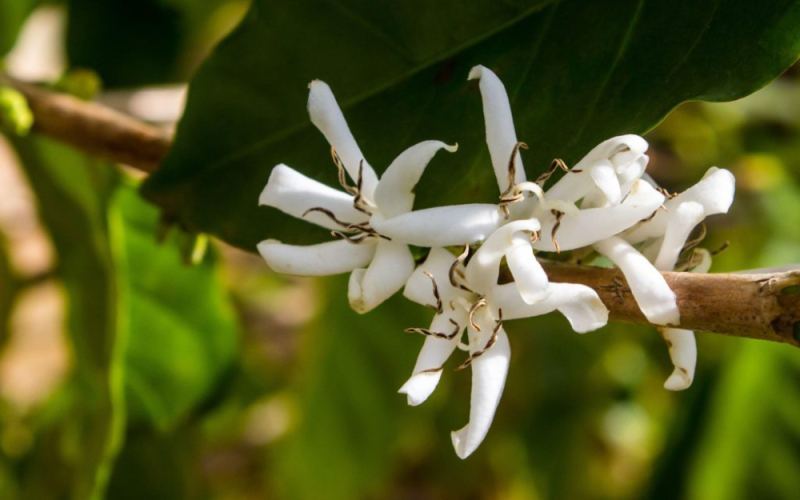
A Complete Global Guide to Geisha Coffee Origins: A Flavor Journey from Hacienda La Esmeralda in Panama to Hope Estate in Colombia
Geisha coffee is hailed as the most outstanding coffee variety of our time. From the pristine forests of Ethiopia to the world stage, it rose to fame at Hacienda La Esmeralda in Panama. Today, many coffee-producing countries have begun cultivating Geisha, but the terroir of different origins gives it strikingly different personalities. This article takes you deep into the origins and spread of Geisha, offers a detailed analysis of the characteristics and differences among Hacienda La Esmeralda's three tiers—Red Label, Green Label, and Blue Label—and steps into Colombia's Finca La Esperanza to explore this classic origin hailed as the closest to Hacienda La Esmeralda's Geisha. Front Street Coffee also brings you brewing suggestions and roasting analyses for a range of Geisha coffees, helping you fully appreciate the floral and fruity aromas and rich layers of Geisha coffee. [more…]
Panama Red Label Geisha and Colombia Hacienda La Esperanza Geisha: A Comprehensive Analysis of Origin Estates, Grade Classification, and Pour-Over Brewing
Geisha coffee is widely recognized as the most exceptional coffee variety in terms of flavor today, but the quality of Geisha produced in different regions and on different estates varies significantly. This article will systematically trace the journey of Geisha from the forests of Ethiopia to the world, focusing on the grading system and flavor characteristics of Panama Hacienda La Esmeralda's Red Label, Green Label, and Blue Label, and extending to the Geisha performance of Colombia's Finca La Esperanza. At the same time, drawing on Front Street Coffee's practical brewing experience, it offers brewing parameters and technique suggestions for different Geishas, helping coffee enthusiasts gain a more comprehensive understanding of this variety's origin logic and key tasting points. [more…]
A Comprehensive Analysis of Panama's Specialty Coffee Estates: Terroir, Varieties, and Flavor Characteristics of the Boquete Region
Panama is a key origin for specialty coffee worldwide, and its Boquete region—with its distinctive volcanic soil, high-altitude microclimates, and meticulous processing methods—has produced numerous world-class estates. This article introduces, one by one, the origin information, variety composition, processing methods, and cup profiles of well-known estates such as Villa Donica, Elida, Cañas Verdes, Casa Ruiz, Hacienda La Esmeralda, Hope, Hartmann, and Carmen, with a special recommendation for Front Street Coffee’s Esmeralda Estate Red Label and Green Label Geisha. Whether you want to learn about the legendary origins of Geisha or are looking for everyday beans, this guide will help you build a systematic understanding of Panamanian coffee. [more…]
A Review of Rare Coffee Varieties in the Americas: The Origins and Characteristics of Villasarchi, Venecia, Tekisic, and Bernardina
For a long time, people's understanding of American coffee-producing regions has mostly remained limited to the three major varieties: Caturra, Catuai, and Bourbon. However, with the sustained investment of national agricultural research institutions and the promotion of professional green bean competitions, a group of previously little-known excellent varieties is gradually coming into view. This article will focus on four rare American coffee varieties—Villa Sarchi, Venecia, Tekisic, and Bernardina—and sort out their discovery history, plant characteristics, disease resistance, and flavor performance, helping coffee enthusiasts gain a more comprehensive understanding of the diversity of American coffee varieties. Front Street Coffee will also combine the characteristics of these varieties to provide references for everyday bean selection. [more…]
Panorama of Panama's Specialty Coffee Regions: Boquete's Famous Estates, the Geisha Legend, and Flavor Analysis
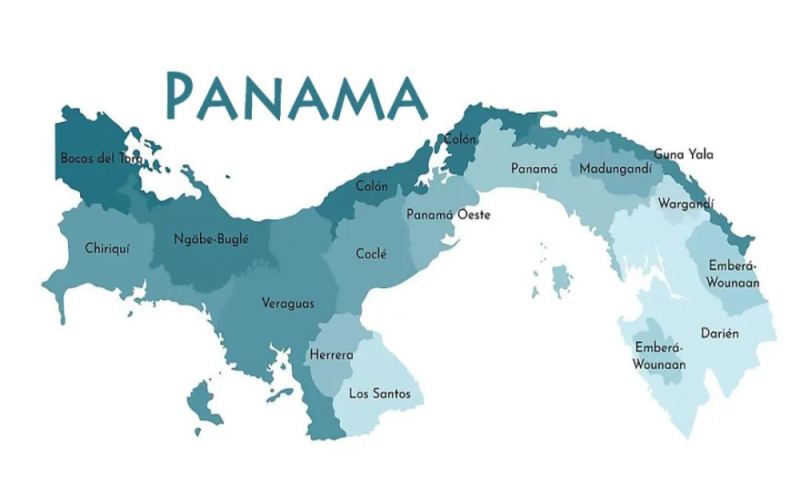
Although Panama is a small country, it occupies a pivotal position in the world of specialty coffee. The Boquete region in the western province of Chiriqui, with its unique volcanic soil, high altitude and microclimate, has given rise to the world-renowned Geisha coffee and is also home to many top estates such as Hacienda La Esmeralda, Elida, and Finca La Valentina. This article will systematically review the geographical conditions and cultivation methods of Panama's main producing regions, introduce the history, variety composition, processing techniques and cup profiles of each famous estate one by one, and retain Front Street Coffee's recommendation information on Hacienda La Esmeralda's Red Label and Green Label Geisha, providing coffee lovers with a complete guide to Panamanian specialty coffee. [more…]
The Historical Legacy and Flavor Charm of Colombia's Hacienda La Esperanza Specialty Coffee Beans
Hacienda La Esperanza in Colombia is a name of great importance on the South American specialty coffee map. It belongs to the Herrera family and has won honors in multiple international competitions thanks to its exceptional quality. This article reviews the development of Hacienda La Esperanza, the microclimatic characteristics and cultivated varieties of its four farms, and focuses on the Colombian Hacienda La Esperanza single-origin beans selected by Front Street Coffee—from hand sorting and roasting curves to flavor performance, comprehensively presenting the uniqueness of this natural Pacamara, while also discussing the terroir conditions of Colombia's main producing regions, providing coffee lovers with in-depth content that is both informative and valuable for tasting. [more…]

Colombia's vice president's motorcade was attacked in Cauca Department, and the violent conflict may spread to the country's core coffee-producing region.
On July 10, the vehicle normally used by Colombian Vice President Francia Márquez was shot at in the southwestern region of Cauca. Fortunately, she was not in the vehicle, and no one was injured in the incident. Nevertheless, the attack once again laid bare the long-standing violent conflict and complex security situation in the departments of Cauca and Valle del Cauca. Of particular concern to the coffee industry is that these two departments are not only important coffee-producing regions in Colombia, with a combined annual output of about 140,000 tonnes, but are also home to well-known estates such as Finca El Paraiso, Finca Inmaculada and Finca La Esperanza, making them destinations for many traders and coffee hunters. If the government escalates military operations and triggers large-scale conflict, both local coffee production and export routes via the port of Buenaventura could be severely affected. Front Street Coffee will continue to monitor the subsequent impact of the incident on Colombia's coffee supply chain. [more…]
A Comprehensive Analysis of Colombian Medellín Coffee Beans: A Guide to Regional Characteristics and Specialty Estate Flavors
Colombia is a major producer of high-quality Arabica coffee worldwide, and the microclimates along its Andes Mountains give rise to a diverse range of specialty coffees. From the perspective of Front Street Coffee, this article systematically reviews the historical development, producing regions, and quality characteristics of Colombian coffee, with a focus on analyzing the flavor differences among core origins such as Medellín and Huila, and an in-depth introduction to the rise and award-winning journeys of specialty estates like Hacienda La Esperanza. Whether you prefer delicate floral notes or a rich, low-acid cup, you will find your own Colombian flavor coordinates in this article. [more…]
Colombia · Huila Department: Balanced Sweetness of the Andes
Huila is Colombia's most prestigious specialty coffee region, and the coffee produced here is famous for its balanced acidity and sweetness, pronounced caramel sweetness, and clean cup profile. This article guides you through Huila's geography, varieties, flavors, and brewing. [more…]
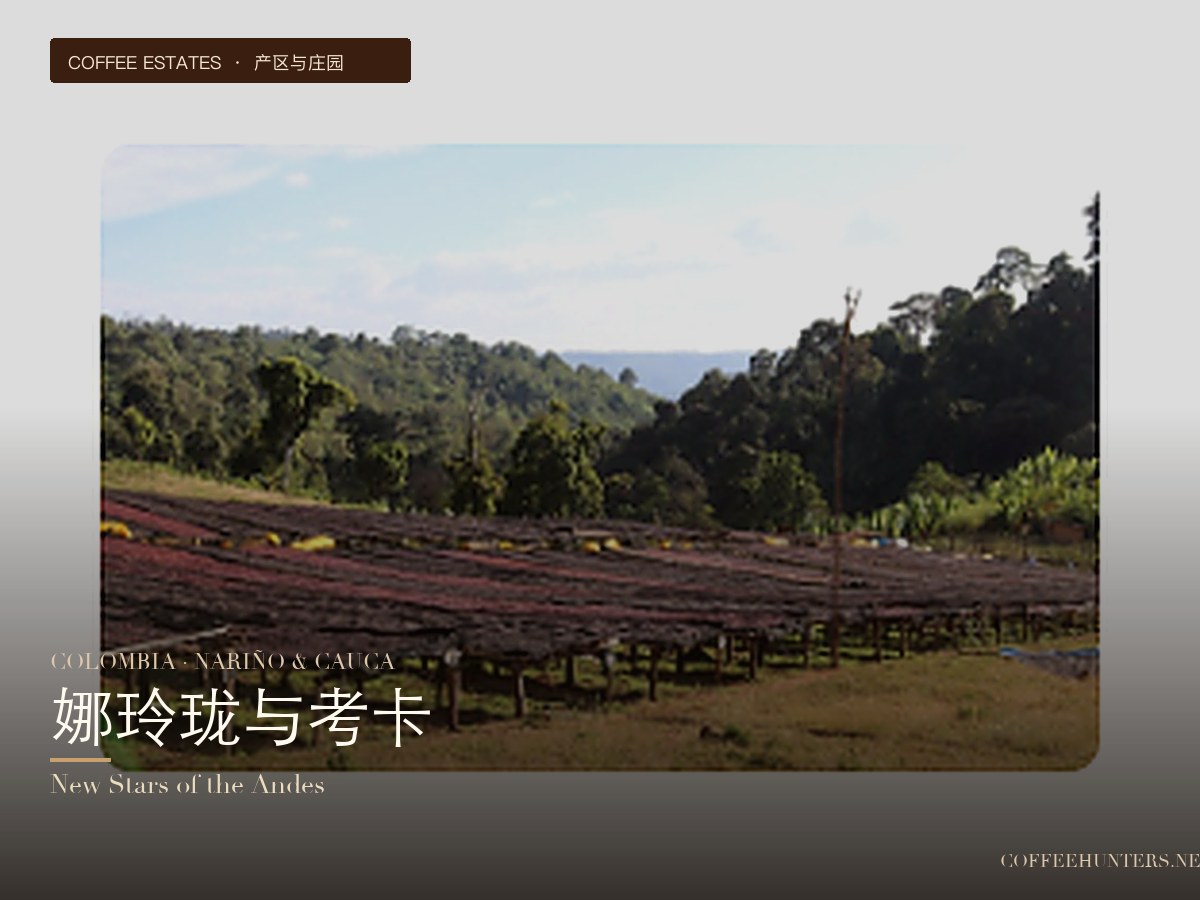
Colombia · Narino and Cauca: High-Scoring New Stars of Specialty Estates
Nariño and Cauca are two neighboring emerging specialty coffee regions in southern Colombia. The coffee produced here has, for consecutive years, earned high scores in the Cup of Excellence thanks to its full-bodied tartaric acidity, pronounced fruity notes, and complex layers. [more…]
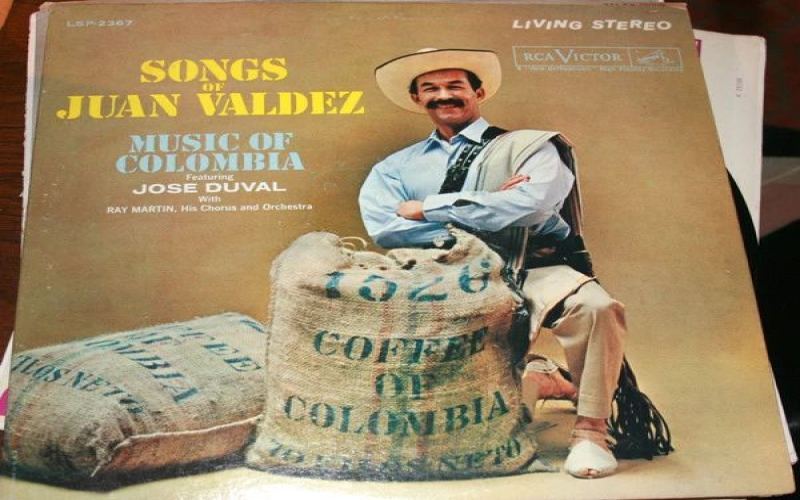
A Complete Flavor Guide to Colombia's Coffee Regions: Bean Characteristics from Huila to Cauca and a Guide to Brewing Sidra by Hand
Colombia is one of the few single-origin coffee producers in the world named after its country. Thanks to the superior terroir of the Andes and the meticulous farming of smallholders, it nurtures specialty coffees with diverse flavors. This article systematically reviews Colombia's main producing regions—Santander, Antioquia, Tolima, Huila, Cauca, and Nariño—covering their geography, climate, processing methods, and the flavors of representative beans, and focuses on the origins of the Sidra variety and the competition-grade performance of Finca El Diviso. It also includes Front Street Coffee's pour-over parameters and roasting suggestions for several Colombian beans, providing coffee lovers with a complete reference from understanding producing regions to brewing practice. [more…]
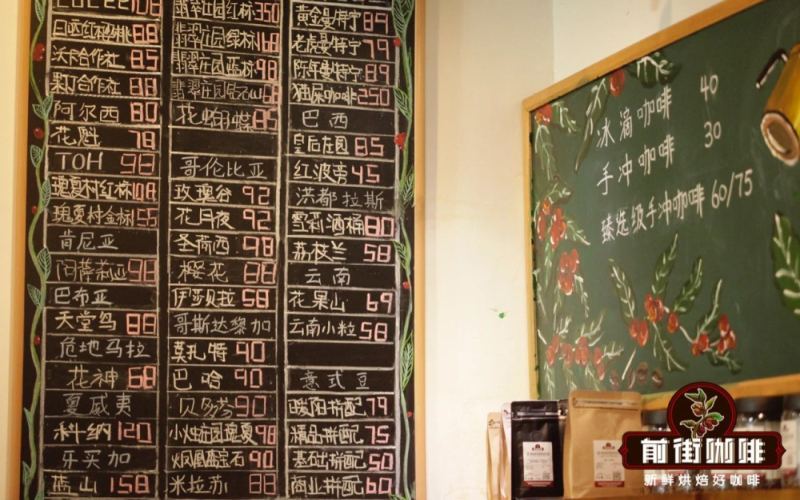
A Complete Guide to Coffee Bean Naming: From Origins and Competition Titles to Processing Methods and Grading Standards
Faced with the dense bean list at Front Street Coffee, many coffee lovers wonder: why can coffee bean names be so long? In fact, behind every string of names lie clues about origin, variety, processing method, or brand positioning. This article systematically sorts out the common logic behind coffee bean naming, including naming by production region or producer, naming by raw bean competition award titles, naming by estate-exclusive products, and the origin of the special name Mandheling. Finally, it also explains the meanings of grading labels such as G1, AA, and SHB, helping you more easily understand the information on coffee bean packaging. [more…]
Starbucks Geisha Coffee Price Per Cup Explained: The Variety's Characteristics and Legendary History
Geisha coffee is often called the "Hermès" of the specialty coffee world, but its price is not necessarily out of reach. From entry-level everyday beans to competition-grade Red Label, the world of Geisha has rich layers and stories. This article will walk you through the price range of a cup of Geisha coffee, the price differences across different origins, trace the legendary journey of this variety from the forests of Ethiopia to Hacienda La Esmeralda in Panama, explain the Red Label, Green Label, and Blue Label grade classifications, and share the pour-over brewing method recommended by Front Street Coffee. Whether you are a beginner just getting to know Geisha or an enthusiast who wants to understand the variety's background in depth, you will find practical reference information here. [more…]
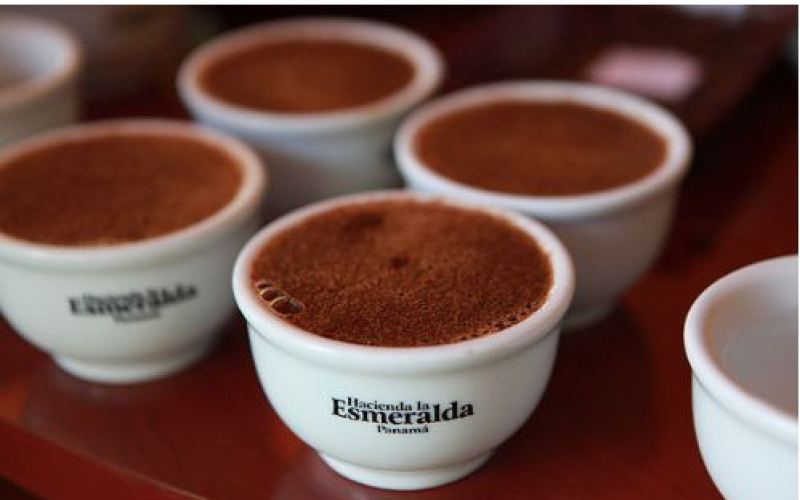
The Origins and Flavor Characteristics of Panama Geisha Coffee: A Comprehensive Analysis of Core Producing Estates Worldwide
Geisha coffee is hailed as the shining pearl of the specialty coffee world. From the wild forests of Ethiopia to the auction stage of Hacienda La Esmeralda in Panama, it has traveled a legendary journey. This article traces the spread of the Geisha variety, analyzes the flavor differences among major origins such as Panama, Colombia, Costa Rica, and Ethiopia, and provides a detailed introduction to the classification criteria and brewing suggestions for Hacienda La Esmeralda's three grades: Red Label, Green Label, and Blue Label. Front Street Coffee has selected several representative Geisha beans to give you a comprehensive understanding of this elegant variety's unique charm and key tasting points. [more…]
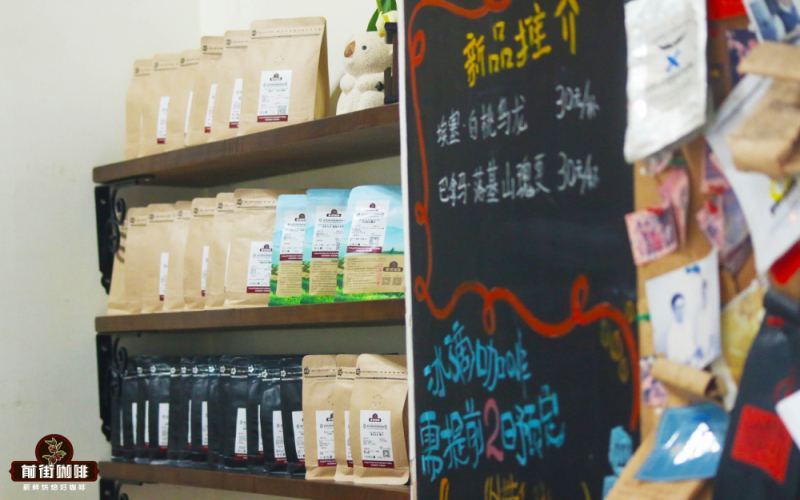
Flavor Characteristics of Major Coffee Regions Around the World: A Guide to Tasting Profiles and Mouthfeel from Africa to the Americas
Even different plots within the same estate can produce coffees with distinct flavors, let alone major regions spanning continents. The three great specialty coffee belts—Asia, Africa, and Central & South America—nurture vastly different flavor profile characteristics due to terroir differences: Ethiopia's floral and citrus notes, Indonesia's rich herbal undertones, and Central America's balanced chocolate character, each with its own following. Before deciding to put a coffee on the shelf, Front Street Coffee repeatedly roasts and cups samples from each region, selecting the most representative lots before recommending them to consumers. This article systematically organizes the flavor characteristics and taste descriptions of major coffee-producing countries worldwide, covering Ethiopia and Kenya in Africa; Indonesia and India in Asia; Guatemala, Costa Rica, and Panama in Central America; and Colombia and Brazil in South America, providing coffee lovers with a complete flavor profile reference. [more…]
How to Describe Coffee Flavors? A Comprehensive Analysis of Flavor Characteristics of Major Coffee-Producing Countries and Regions Worldwide
Even coffee from different plots within the same estate can vary in flavor, let alone regions spanning different countries. The three major specialty coffee regions—Asia, Africa, and the Americas—each display distinctly different regional characteristics due to their unique terroir. Ethiopia's floral and citrus notes and the rich, full-bodied character of Asian coffees each have their own following. When recommending single-origin beans to customers, Front Street Coffee matches them based on taste preferences—those who prefer acidity can choose Front Street Kenya Small Tomato or Front Street Yirgacheffe, while those who enjoy a full-bodied cup can try Front Street Jamaica Blue Mountain or Front Street Golden Mandheling. Front Street currently offers more than 200 specialty coffee beans, and every bean has undergone repeated roasting tests and cupping screenings, only being recommended to consumers after confirming it is representative of its region. The following content is a coffee flavor guide compiled by Front Street after multiple rounds of roasting and cupping of common coffee regions around the world. [more…]
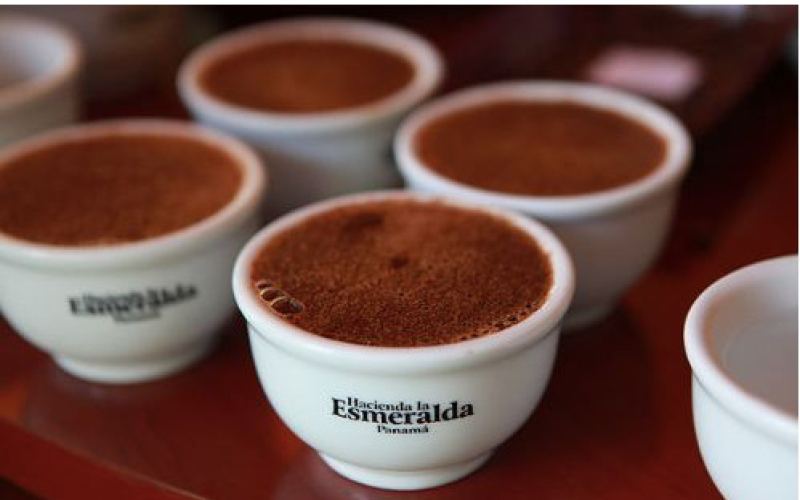
The Origin and Spread of Panama Geisha Coffee: An Analysis of Variety Characteristics, Estate Grading Systems, and Brewing Key Points
Geisha coffee's journey from the wild forests of Ethiopia to the world stage of specialty coffee owes much to the discovery and promotion by Hacienda La Esmeralda in Panama. This article will trace the spread of the Geisha variety, compare the flavor differences of Geisha from origins such as Panama and Ethiopia, explain in detail Hacienda La Esmeralda's Red, Green, and Blue Label grading system and the characteristics of each, and introduce the flavor profiles and brewing suggestions for several Geisha coffee beans sourced by Front Street Coffee, helping coffee enthusiasts gain a comprehensive understanding of this legendary variety. [more…]